



Commercial aluminum sliding doors must be coordinated as a complete opening system. Structural openings, panel geometry, glass, tracks, rollers, drainage, interfaces and performance requirements must align before fabrication.
Define the Opening and Project Exposure
Document structural and finished openings, floor levels, wall build-up, sill transitions, head conditions, climate, elevation and orientation. The decision should be made from the actual application rather than a generic market label. Buyers should define the operating environment, interfaces, constraints and acceptance result before comparing quotations. This prevents a visually similar product from being treated as technically equivalent when its installation, control or service conditions are different.
Schematic dimensions and attractive renderings can hide tolerance, support, drainage and facade-interface requirements. The commercial risk is not limited to the initial unit price. Incorrect assumptions can create rework, extra accessories, inconsistent field behavior, warranty disputes and inventory that cannot be used across the intended project. Every claim that affects selection should therefore be tied to the exact model, configuration and documented test condition.
Use an opening survey, architectural sections, structural information and clearly assigned design responsibilities. Evidence should be captured in a controlled record that identifies the sample, settings, environment, instruments or observations and the person responsible for approval. Photographs, drawings and measurements are most useful when they are repeatable. Subjective comments may supplement the record, but they should not replace defined pass and fail criteria.
Release fabrication only after design values and verified site conditions are reconciled. Procurement, engineering, installation and service teams should use the same approved baseline. If a component, drawing, firmware, material, optical element, hardware item or packaging method changes, the affected checks should be repeated before the revised product is accepted. This change-control discipline protects repeat orders and reduces uncertainty during troubleshooting.
Choose Standard, Pocket or Lift-and-Slide Operation
Operation type should reflect opening goal, panel size, accessibility, weather exposure, maintenance access and surrounding construction. The decision should be made from the actual application rather than a generic market label. Buyers should define the operating environment, interfaces, constraints and acceptance result before comparing quotations. This prevents a visually similar product from being treated as technically equivalent when its installation, control or service conditions are different.
Pocket cavities, lift hardware and multi-panel stacking require space and interfaces that may not appear on a simple elevation. The commercial risk is not limited to the initial unit price. Incorrect assumptions can create rework, extra accessories, inconsistent field behavior, warranty disputes and inventory that cannot be used across the intended project. Every claim that affects selection should therefore be tied to the exact model, configuration and documented test condition.
Prepare plans and sections showing fixed and operable panels, stacking, pockets, screens, thresholds and service zones. Evidence should be captured in a controlled record that identifies the sample, settings, environment, instruments or observations and the person responsible for approval. Photographs, drawings and measurements are most useful when they are repeatable. Subjective comments may supplement the record, but they should not replace defined pass and fail criteria.
Approve the operation with architects, contractors and the system supplier before detailed fabrication. Procurement, engineering, installation and service teams should use the same approved baseline. If a component, drawing, firmware, material, optical element, hardware item or packaging method changes, the affected checks should be repeated before the revised product is accepted. This change-control discipline protects repeat orders and reduces uncertainty during troubleshooting.
Coordinate Panel Mass, Glass and Hardware
Panel dimensions and glass make-up determine mass, deflection, handling, rollers, locks, anchors and supporting-structure demand. The decision should be made from the actual application rather than a generic market label. Buyers should define the operating environment, interfaces, constraints and acceptance result before comparing quotations. This prevents a visually similar product from being treated as technically equivalent when its installation, control or service conditions are different.
Capacity inferred from a series number or photograph can lead to difficult operation, glass risk or unsupported project claims. The commercial risk is not limited to the initial unit price. Incorrect assumptions can create rework, extra accessories, inconsistent field behavior, warranty disputes and inventory that cannot be used across the intended project. Every claim that affects selection should therefore be tied to the exact model, configuration and documented test condition.
Use current system data, project glass specification and engineering review for the actual panel configuration. Evidence should be captured in a controlled record that identifies the sample, settings, environment, instruments or observations and the person responsible for approval. Photographs, drawings and measurements are most useful when they are repeatable. Subjective comments may supplement the record, but they should not replace defined pass and fail criteria.
Treat rollers, locks, handles, interlocks and glass as one compatible assembly. Procurement, engineering, installation and service teams should use the same approved baseline. If a component, drawing, firmware, material, optical element, hardware item or packaging method changes, the affected checks should be repeated before the revised product is accepted. This change-control discipline protects repeat orders and reduces uncertainty during troubleshooting.
| Decision field | Required evidence | Release point |
|---|---|---|
| Opening geometry | Survey and coordinated sections | Fabrication dimensions approved |
| Panel and glass | Weight and configuration review | Hardware set accepted |
| Drainage and interfaces | Detailed sill and jamb sections | Water path coordinated |
| Field installation | Alignment and operation checklist | Opening handed over |
Compare Verified Aluguard Sliding Systems
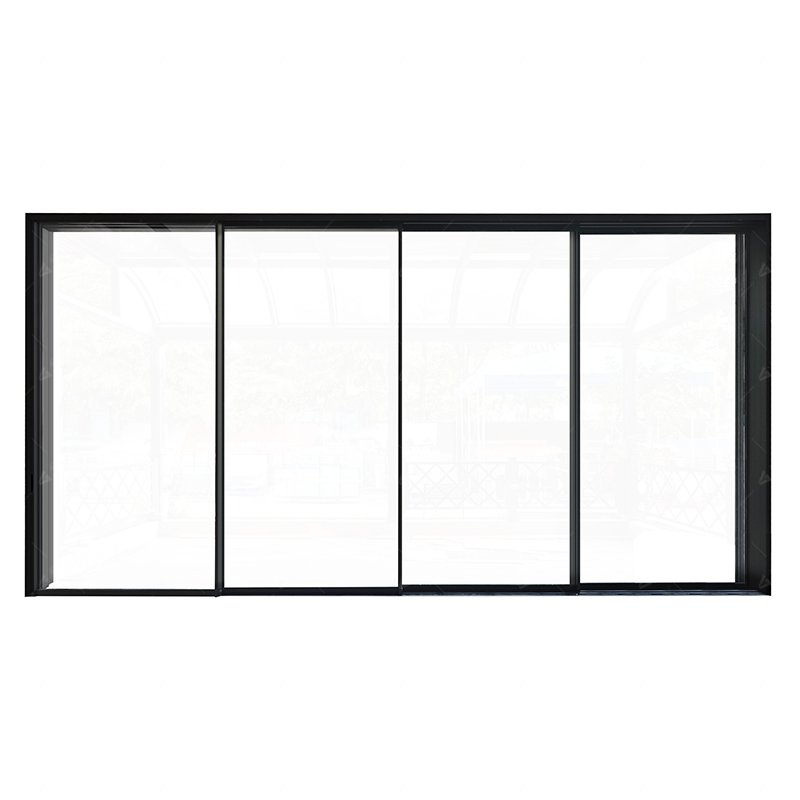
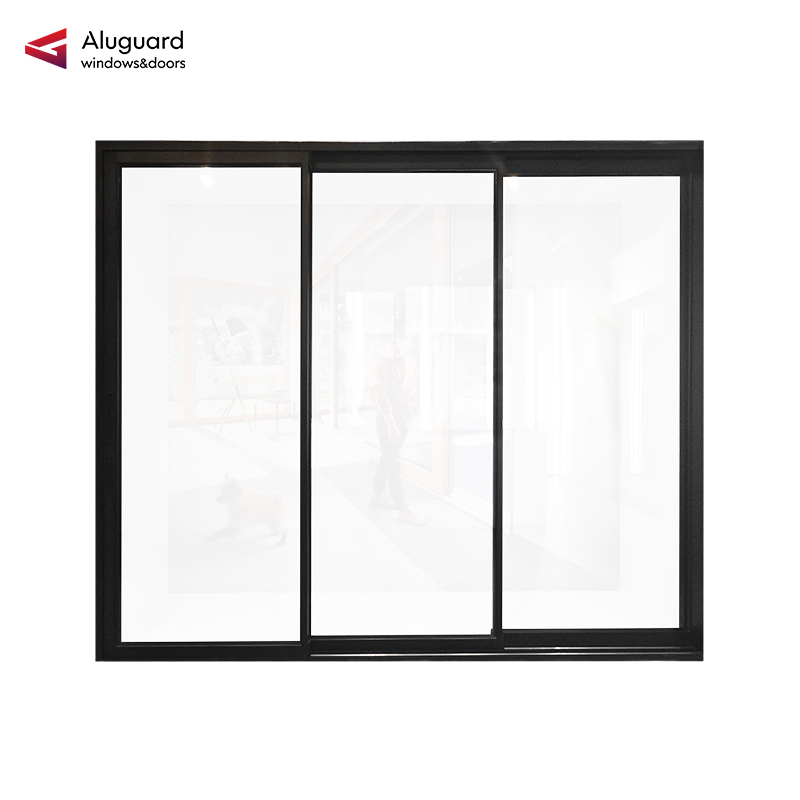
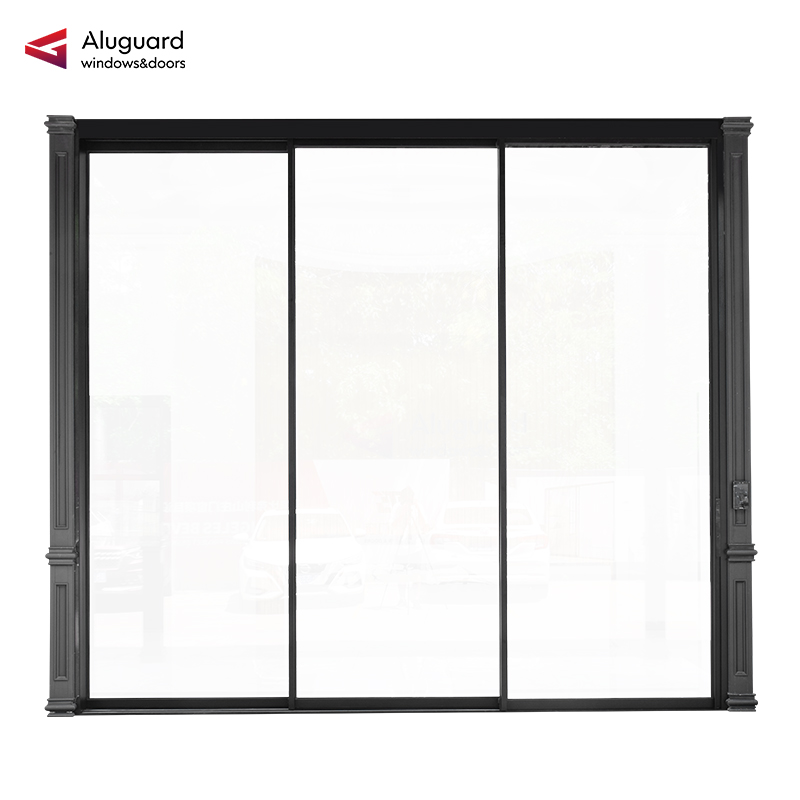
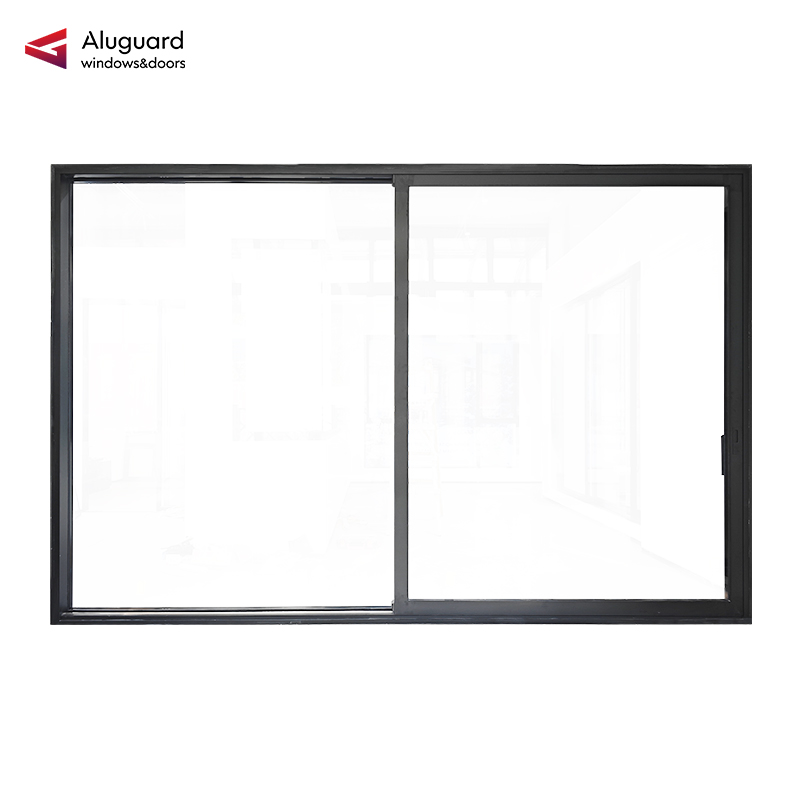
Aluguard's current catalog includes panoramic, pocket and lift-and-slide products for project-specific evaluation. The decision should be made from the actual application rather than a generic market label. Buyers should define the operating environment, interfaces, constraints and acceptance result before comparing quotations. This prevents a visually similar product from being treated as technically equivalent when its installation, control or service conditions are different.
Performance or dimensions from one series should not be transferred to another without current documentation. The commercial risk is not limited to the initial unit price. Incorrect assumptions can create rework, extra accessories, inconsistent field behavior, warranty disputes and inventory that cannot be used across the intended project. Every claim that affects selection should therefore be tied to the exact model, configuration and documented test condition.
Use the real product pages, shop drawings, samples and quoted configuration for each opening. Evidence should be captured in a controlled record that identifies the sample, settings, environment, instruments or observations and the person responsible for approval. Photographs, drawings and measurements are most useful when they are repeatable. Subjective comments may supplement the record, but they should not replace defined pass and fail criteria.
Identify every approved series and revision in the opening schedule. Procurement, engineering, installation and service teams should use the same approved baseline. If a component, drawing, firmware, material, optical element, hardware item or packaging method changes, the affected checks should be repeated before the revised product is accepted. This change-control discipline protects repeat orders and reduces uncertainty during troubleshooting.
Design Thresholds and Drainage Paths
Exterior openings need coordinated frame drainage, sill pans or membranes, end conditions, finished levels and site drainage. The decision should be made from the actual application rather than a generic market label. Buyers should define the operating environment, interfaces, constraints and acceptance result before comparing quotations. This prevents a visually similar product from being treated as technically equivalent when its installation, control or service conditions are different.
Covered weeps, missing end dams or an incomplete facade interface can undermine field performance despite a capable frame. The commercial risk is not limited to the initial unit price. Incorrect assumptions can create rework, extra accessories, inconsistent field behavior, warranty disputes and inventory that cannot be used across the intended project. Every claim that affects selection should therefore be tied to the exact model, configuration and documented test condition.
Review detailed sections that show primary and secondary drainage and where water exits the assembly. Evidence should be captured in a controlled record that identifies the sample, settings, environment, instruments or observations and the person responsible for approval. Photographs, drawings and measurements are most useful when they are repeatable. Subjective comments may supplement the record, but they should not replace defined pass and fail criteria.
Protect drainage routes during flooring, decking and landscape work and inspect them before handover. Procurement, engineering, installation and service teams should use the same approved baseline. If a component, drawing, firmware, material, optical element, hardware item or packaging method changes, the affected checks should be repeated before the revised product is accepted. This change-control discipline protects repeat orders and reduces uncertainty during troubleshooting.
Set Air, Water, Wind and Thermal Requirements
Project criteria should come from applicable codes, exposure analysis and consultants and should identify configuration and test conditions. The decision should be made from the actual application rather than a generic market label. Buyers should define the operating environment, interfaces, constraints and acceptance result before comparing quotations. This prevents a visually similar product from being treated as technically equivalent when its installation, control or service conditions are different.
A test on another specimen size or arrangement may not support the intended opening, and component values do not automatically equal whole-product performance. The commercial risk is not limited to the initial unit price. Incorrect assumptions can create rework, extra accessories, inconsistent field behavior, warranty disputes and inventory that cannot be used across the intended project. Every claim that affects selection should therefore be tied to the exact model, configuration and documented test condition.
Request evidence tied to the quoted system and review frame, glass, seals, anchors and installation together. Evidence should be captured in a controlled record that identifies the sample, settings, environment, instruments or observations and the person responsible for approval. Photographs, drawings and measurements are most useful when they are repeatable. Subjective comments may supplement the record, but they should not replace defined pass and fail criteria.
Record limits and any project-specific testing in the approved submittal. Procurement, engineering, installation and service teams should use the same approved baseline. If a component, drawing, firmware, material, optical element, hardware item or packaging method changes, the affected checks should be repeated before the revised product is accepted. This change-control discipline protects repeat orders and reduces uncertainty during troubleshooting.
Control Opening Tolerances and Installation
Survey width, height, diagonals, sill level, jamb plumb and support continuity at several points before fabrication. The decision should be made from the actual application rather than a generic market label. Buyers should define the operating environment, interfaces, constraints and acceptance result before comparing quotations. This prevents a visually similar product from being treated as technically equivalent when its installation, control or service conditions are different.
Forcing frames into twisted or uneven openings can distort tracks, seals and panel alignment and increase operating force. The commercial risk is not limited to the initial unit price. Incorrect assumptions can create rework, extra accessories, inconsistent field behavior, warranty disputes and inventory that cannot be used across the intended project. Every claim that affects selection should therefore be tied to the exact model, configuration and documented test condition.
Use survey records, datum lines, approved gaps, anchor details and an installation sequence that protects finished surfaces. Evidence should be captured in a controlled record that identifies the sample, settings, environment, instruments or observations and the person responsible for approval. Photographs, drawings and measurements are most useful when they are repeatable. Subjective comments may supplement the record, but they should not replace defined pass and fail criteria.
Resolve structural deviations before installation and document every approved adjustment. Procurement, engineering, installation and service teams should use the same approved baseline. If a component, drawing, firmware, material, optical element, hardware item or packaging method changes, the affected checks should be repeated before the revised product is accepted. This change-control discipline protects repeat orders and reduces uncertainty during troubleshooting.
Complete Factory and Field Acceptance
Factory and site checks should cover finish, profiles, glass, seals, hardware, labels, drainage, movement, locks, interfaces and packaging damage. The decision should be made from the actual application rather than a generic market label. Buyers should define the operating environment, interfaces, constraints and acceptance result before comparing quotations. This prevents a visually similar product from being treated as technically equivalent when its installation, control or service conditions are different.
A system can look complete while hiding blocked drainage, misalignment, incomplete sealant or mismatched opening components. The commercial risk is not limited to the initial unit price. Incorrect assumptions can create rework, extra accessories, inconsistent field behavior, warranty disputes and inventory that cannot be used across the intended project. Every claim that affects selection should therefore be tied to the exact model, configuration and documented test condition.
Use opening-specific checklists, photographs, operation records and project-specified performance tests where required. Evidence should be captured in a controlled record that identifies the sample, settings, environment, instruments or observations and the person responsible for approval. Photographs, drawings and measurements are most useful when they are repeatable. Subjective comments may supplement the record, but they should not replace defined pass and fail criteria.
Close exceptions before handover and preserve maintenance, replacement and hardware records for the owner. Procurement, engineering, installation and service teams should use the same approved baseline. If a component, drawing, firmware, material, optical element, hardware item or packaging method changes, the affected checks should be repeated before the revised product is accepted. This change-control discipline protects repeat orders and reduces uncertainty during troubleshooting.
| Control record | Minimum content | Release gate |
|---|---|---|
| Opening survey | Width, height, diagonals and levels | Before fabrication |
| System submittal | Panels, glass, hardware and interfaces | Before material release |
| Drainage review | Sill, membrane and exit path sections | Before installation |
| Field acceptance | Alignment, locks, seals and operation | Before handover |
RFQ and Final Approval
Provide project location, building use, exposure, opening survey, panel layout, operation, glass, hardware, performance criteria, finish, drainage, packaging and installation responsibilities.
- Verified openings and finished levels
- Panel layout, operation, stacking and screens
- Glass, hardware and performance requirements
- Threshold, drainage and facade interfaces
- Shop drawings, packaging, delivery and installation scope
The final purchase order should reference the approved product, revision, drawings, samples, test record, labels and packaging. Open technical fields should remain on a deviation list until closed by the responsible party. A commercial quotation alone is not a complete technical specification, and a previous order should not be used as evidence when the current configuration or application has changed.









Aluguard
Aluguard
Aluguard
Aluguard