


- Quick Answer
- Key Takeaways
- Build a controlled opening schedule
- Choose the operating configuration
- Coordinate frame depth and sightlines
- Define glass as a project build-up
- Select hardware by size and use
- Integrate screens where required
- Verified Product References
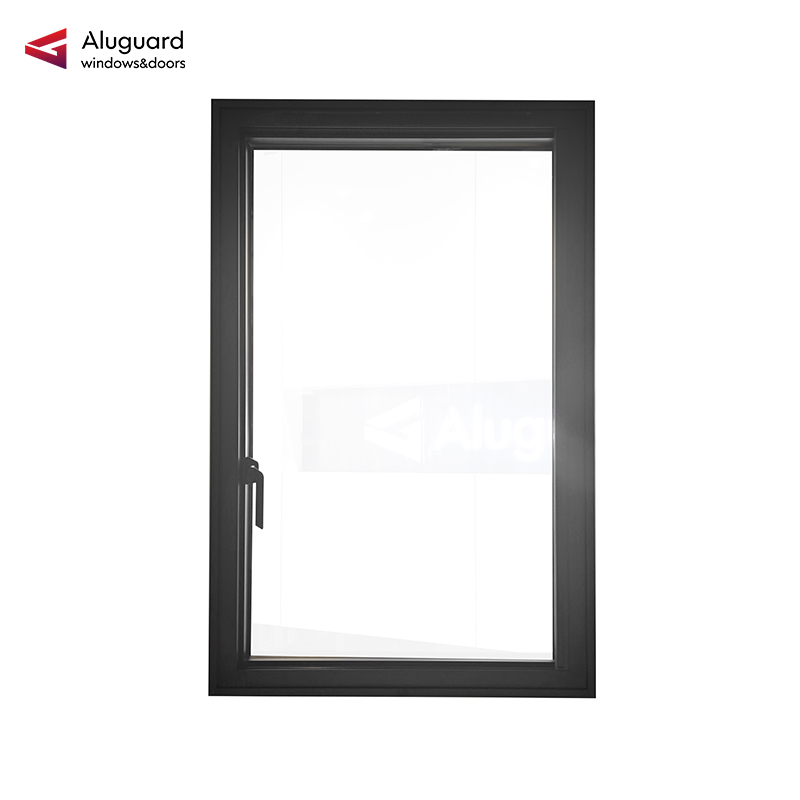
- 115 Aluminum Casement Window With Screen
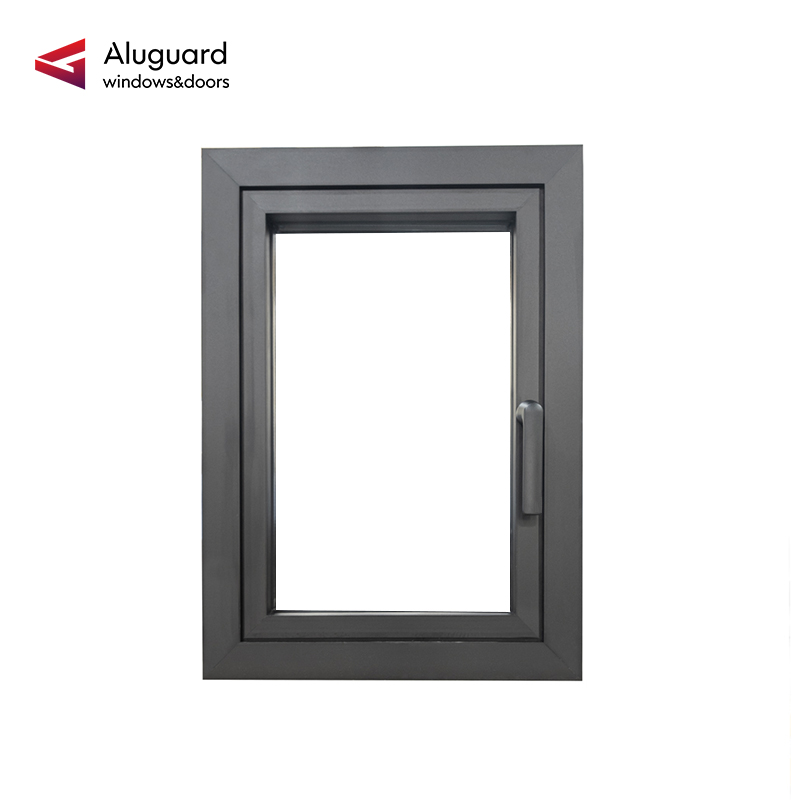
- 120 Slim-Frame Aluminum Casement Window
- 72 Outward-Opening Aluminum Casement Window
- Resolve wall and water interfaces
- Control color and finish approval
- Request configuration-specific evidence
- Lock drawings, samples and changes
- Final RFQ and Handover Checklist
- Discuss Your Project with Aluguard
- Custom Aluminum Casement Window FAQs
Quick Answer
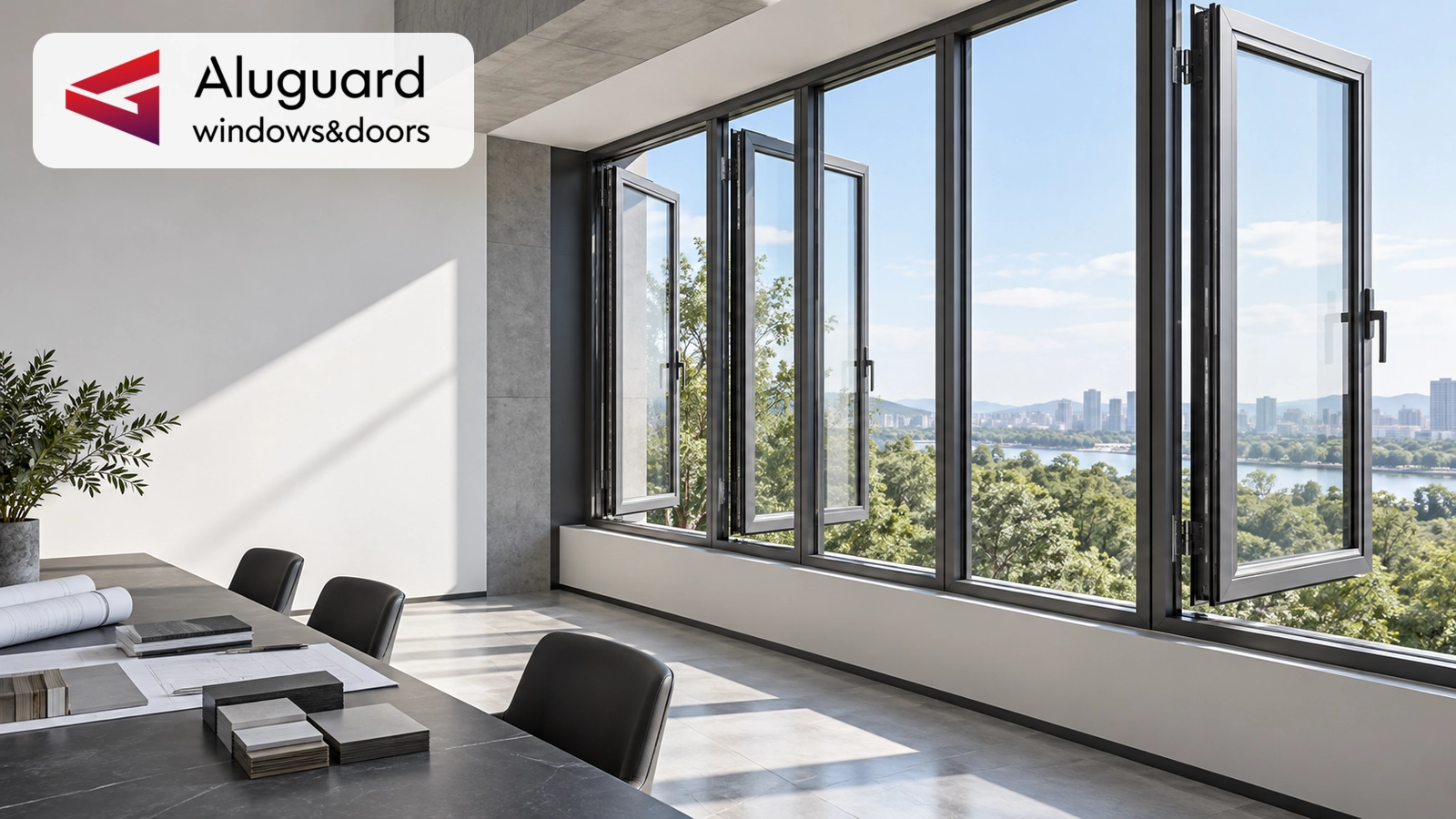
For B2B casement-window projects, begin with the architectural opening schedule and approved drawings. Define opening direction, frame system, sightlines, glass build-up, hardware, screen, finish and interfaces before requesting final pricing. Aluguard currently lists several relevant systems, including the 115 casement window with screen, the 120 slim-frame casement window and the 72 outward-opening casement window. Product titles establish the system family; project-specific performance and certification claims require separate evidence.
Key Takeaways
- Start from the project application and operating workflow.
- Use current product evidence and identify optional or unverified items.
- Approve representative samples before volume release.
- Keep a controlled specification, test record and change log.
Build a controlled opening schedule
Give every window a stable mark and location. In a professional custom casement-window package, this decision should be made before price comparison because it changes the product configuration, supporting accessories and the work expected from the supplier. The project team should collect drawing reference, opening size, room, level and quantity. Put these inputs in one controlled brief, name the person responsible for each item and mark anything that remains unknown. That discipline gives engineering, purchasing, installation and operations the same basis for discussion instead of allowing each team to work from a different assumption.
Verification should produce reconciled architectural schedule and revision log. Review the result against the proposed production version, not a generic family description, marketing image or earlier sample. Record the model, configuration, date, reviewer and any deviation so a later order can be traced back to the approval decision. The main failure to avoid is pricing from uncoordinated screenshots. If the available evidence does not answer the project question, keep the item open, request clarification or run a representative test; do not convert an uncertainty into a product claim.
- Input: drawing reference, opening size, room, level and quantity
- Evidence: reconciled architectural schedule and revision log
- Release gate: update the approved window schedule and shop-drawing set before purchase or deployment.
Choose the operating configuration
Define how each sash opens and how users reach it. In a professional custom casement-window package, this decision should be made before price comparison because it changes the product configuration, supporting accessories and the work expected from the supplier. The project team should collect outward or inward operation, fixed lights, screens and access. Put these inputs in one controlled brief, name the person responsible for each item and mark anything that remains unknown. That discipline gives engineering, purchasing, installation and operations the same basis for discussion instead of allowing each team to work from a different assumption.
Verification should produce elevation, plan detail and hardware intent. Review the result against the proposed production version, not a generic family description, marketing image or earlier sample. Record the model, configuration, date, reviewer and any deviation so a later order can be traced back to the approval decision. The main failure to avoid is using the word casement without an opening diagram. If the available evidence does not answer the project question, keep the item open, request clarification or run a representative test; do not convert an uncertainty into a product claim.
- Input: outward or inward operation, fixed lights, screens and access
- Evidence: elevation, plan detail and hardware intent
- Release gate: update the approved window schedule and shop-drawing set before purchase or deployment.
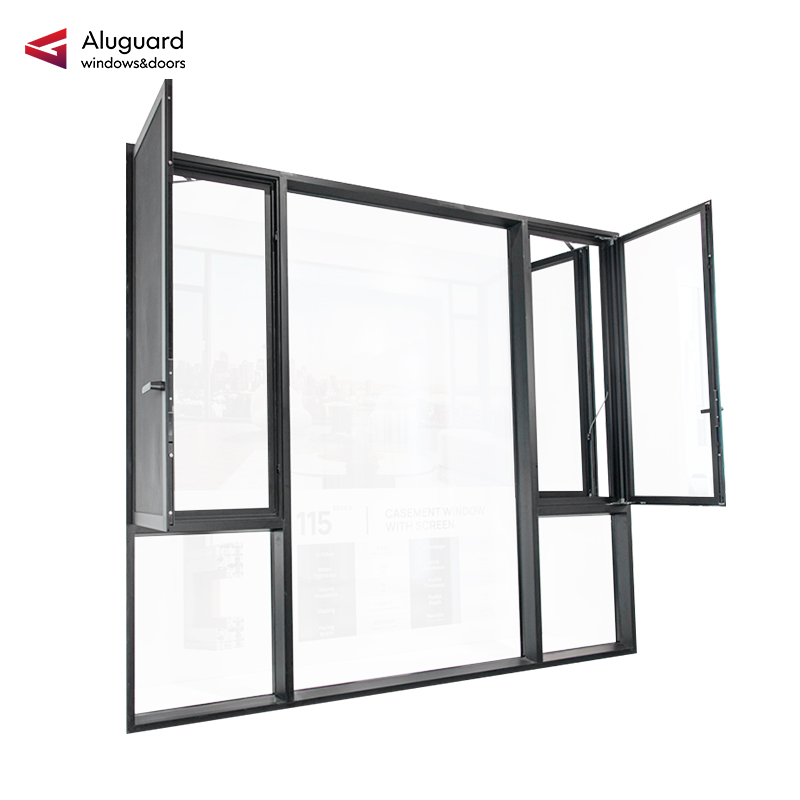
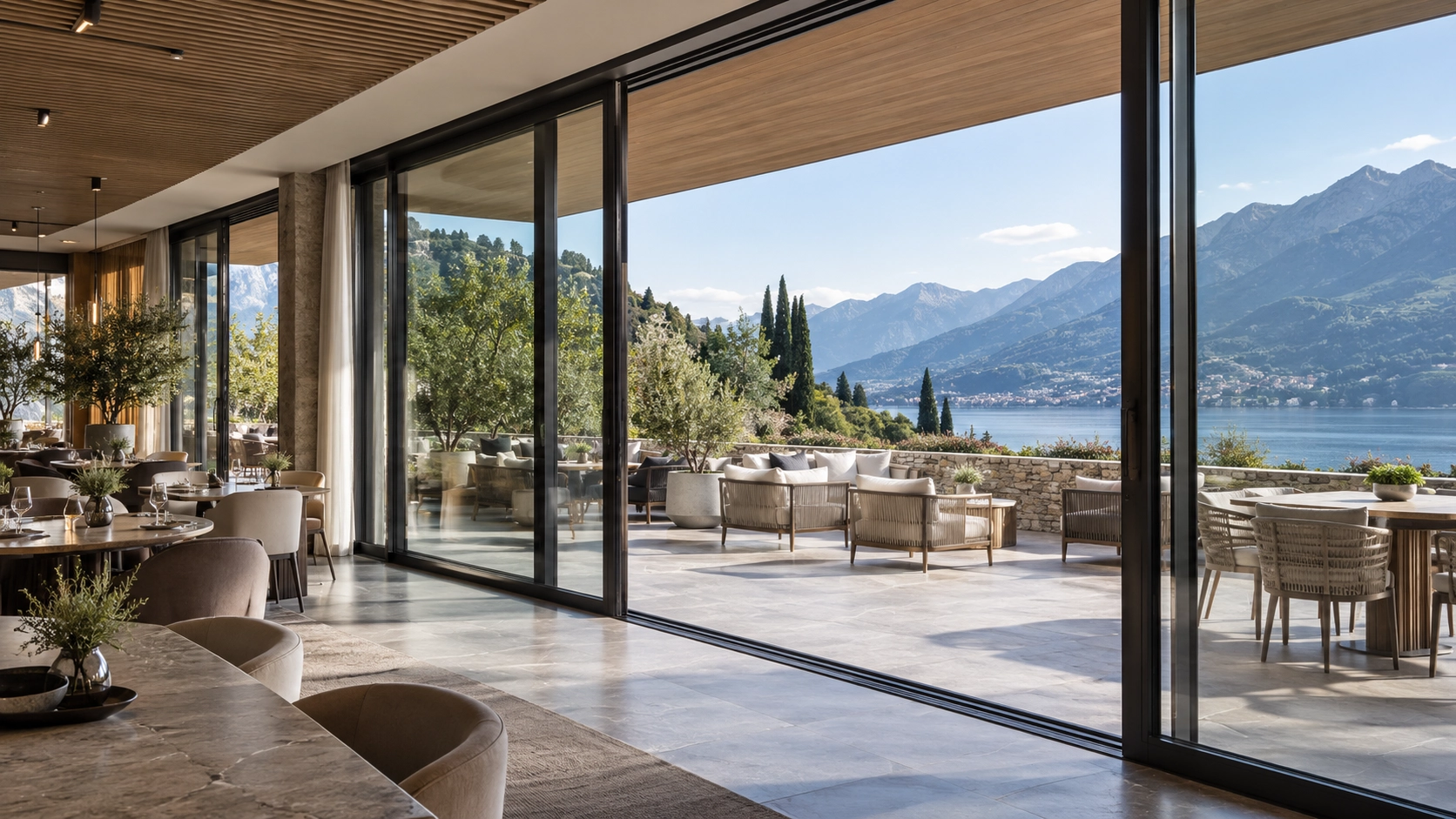
115 custom aluminum casement window with screen detail
Coordinate frame depth and sightlines
Match the selected system to the design and wall build-up. In a professional custom casement-window package, this decision should be made before price comparison because it changes the product configuration, supporting accessories and the work expected from the supplier. The project team should collect system series, frame profile, mullions, transoms and visible widths. Put these inputs in one controlled brief, name the person responsible for each item and mark anything that remains unknown. That discipline gives engineering, purchasing, installation and operations the same basis for discussion instead of allowing each team to work from a different assumption.
Verification should produce approved profile sections and elevations. Review the result against the proposed production version, not a generic family description, marketing image or earlier sample. Record the model, configuration, date, reviewer and any deviation so a later order can be traced back to the approval decision. The main failure to avoid is assuming one slim-frame image suits every opening. If the available evidence does not answer the project question, keep the item open, request clarification or run a representative test; do not convert an uncertainty into a product claim.
- Input: system series, frame profile, mullions, transoms and visible widths
- Evidence: approved profile sections and elevations
- Release gate: update the approved window schedule and shop-drawing set before purchase or deployment.
Define glass as a project build-up
Specify glass according to design and required evidence. In a professional custom casement-window package, this decision should be made before price comparison because it changes the product configuration, supporting accessories and the work expected from the supplier. The project team should collect pane build-up, safety treatment, coating, spacer and visual criteria. Put these inputs in one controlled brief, name the person responsible for each item and mark anything that remains unknown. That discipline gives engineering, purchasing, installation and operations the same basis for discussion instead of allowing each team to work from a different assumption.
Verification should produce glass schedule and sample approval. Review the result against the proposed production version, not a generic family description, marketing image or earlier sample. Record the model, configuration, date, reviewer and any deviation so a later order can be traced back to the approval decision. The main failure to avoid is copying thermal values from another configuration. If the available evidence does not answer the project question, keep the item open, request clarification or run a representative test; do not convert an uncertainty into a product claim.
- Input: pane build-up, safety treatment, coating, spacer and visual criteria
- Evidence: glass schedule and sample approval
- Release gate: update the approved window schedule and shop-drawing set before purchase or deployment.
Select hardware by size and use
Coordinate hinges, handles, stays and locks with the sash. In a professional custom casement-window package, this decision should be made before price comparison because it changes the product configuration, supporting accessories and the work expected from the supplier. The project team should collect sash dimensions, weight, operation frequency and security intent. Put these inputs in one controlled brief, name the person responsible for each item and mark anything that remains unknown. That discipline gives engineering, purchasing, installation and operations the same basis for discussion instead of allowing each team to work from a different assumption.
Verification should produce hardware schedule and operation sample. Review the result against the proposed production version, not a generic family description, marketing image or earlier sample. Record the model, configuration, date, reviewer and any deviation so a later order can be traced back to the approval decision. The main failure to avoid is approving hardware only by appearance. If the available evidence does not answer the project question, keep the item open, request clarification or run a representative test; do not convert an uncertainty into a product claim.
- Input: sash dimensions, weight, operation frequency and security intent
- Evidence: hardware schedule and operation sample
- Release gate: update the approved window schedule and shop-drawing set before purchase or deployment.
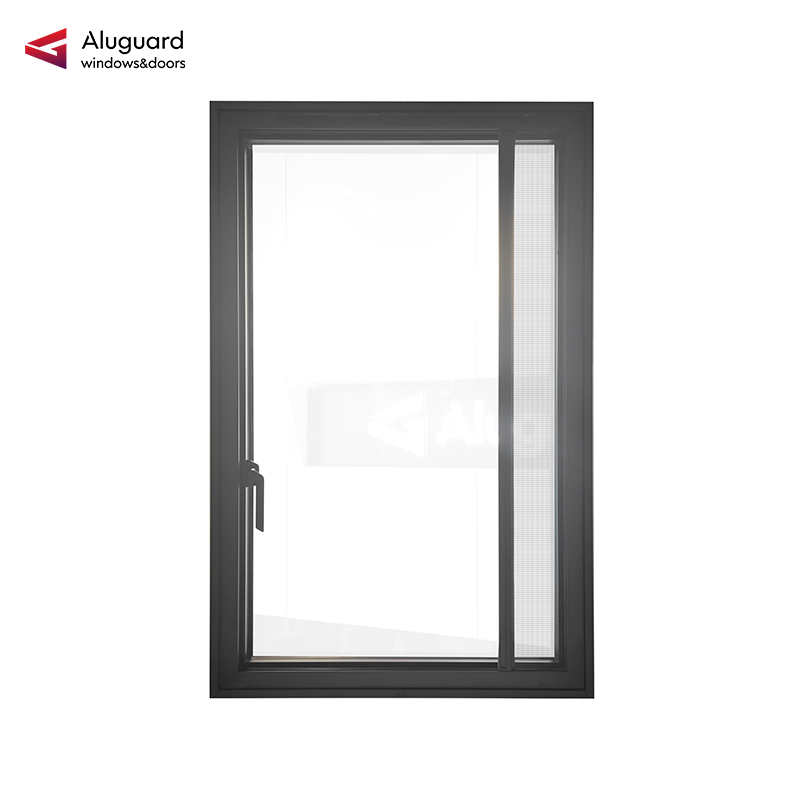
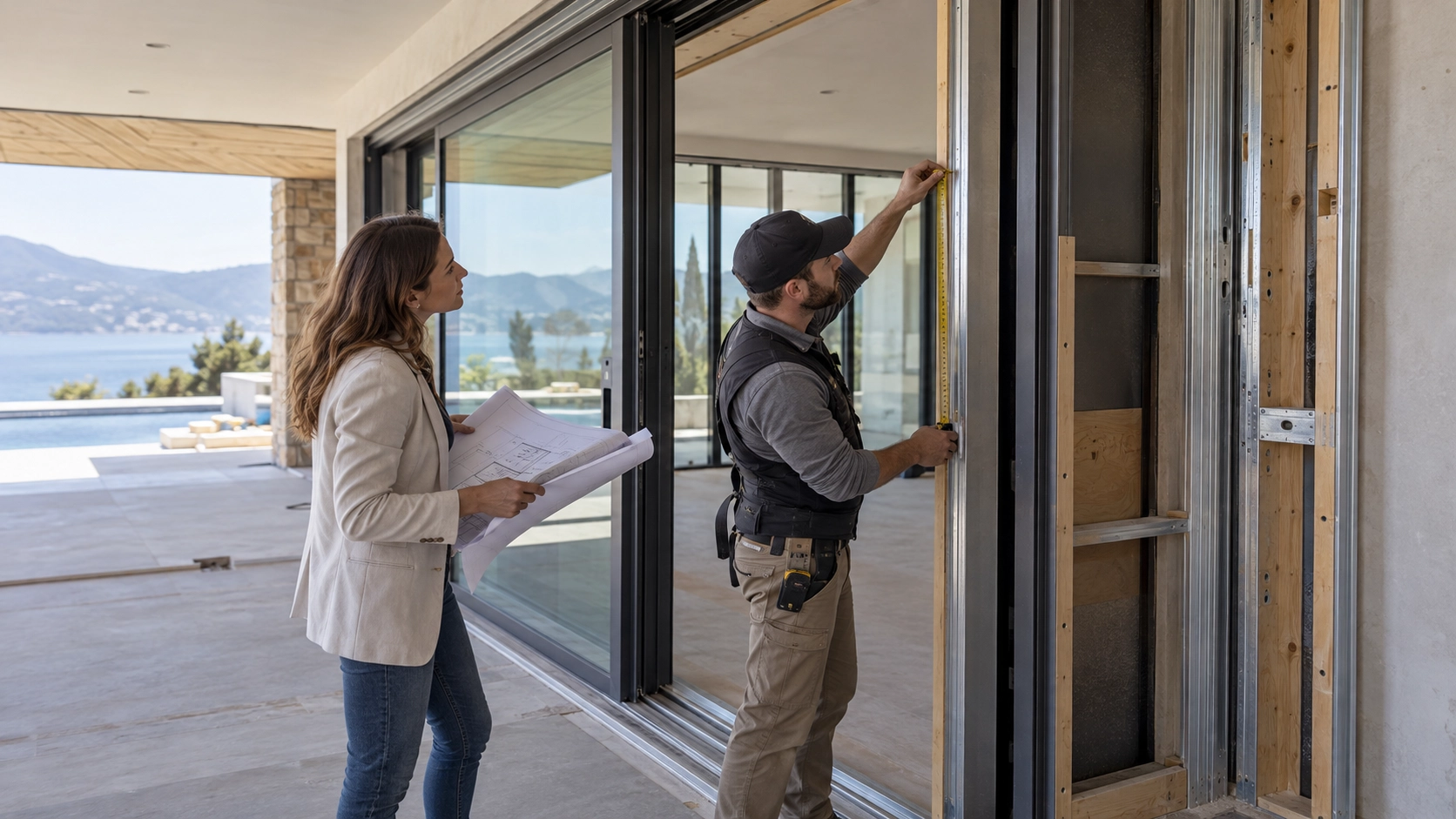
120 slim-frame aluminum casement window configuration
Integrate screens where required
Treat the screen as part of the operable system. In a professional custom casement-window package, this decision should be made before price comparison because it changes the product configuration, supporting accessories and the work expected from the supplier. The project team should collect screen type, removal method, mesh, clearance and cleaning. Put these inputs in one controlled brief, name the person responsible for each item and mark anything that remains unknown. That discipline gives engineering, purchasing, installation and operations the same basis for discussion instead of allowing each team to work from a different assumption.
Verification should produce screen detail and user-access review. Review the result against the proposed production version, not a generic family description, marketing image or earlier sample. Record the model, configuration, date, reviewer and any deviation so a later order can be traced back to the approval decision. The main failure to avoid is adding a screen after the frame is finalized. If the available evidence does not answer the project question, keep the item open, request clarification or run a representative test; do not convert an uncertainty into a product claim.
- Input: screen type, removal method, mesh, clearance and cleaning
- Evidence: screen detail and user-access review
- Release gate: update the approved window schedule and shop-drawing set before purchase or deployment.
Verified Product References
The following product cards use current product URLs and images from Aluguard. They are reference candidates for the project workflow; the final order still requires configuration-specific confirmation.
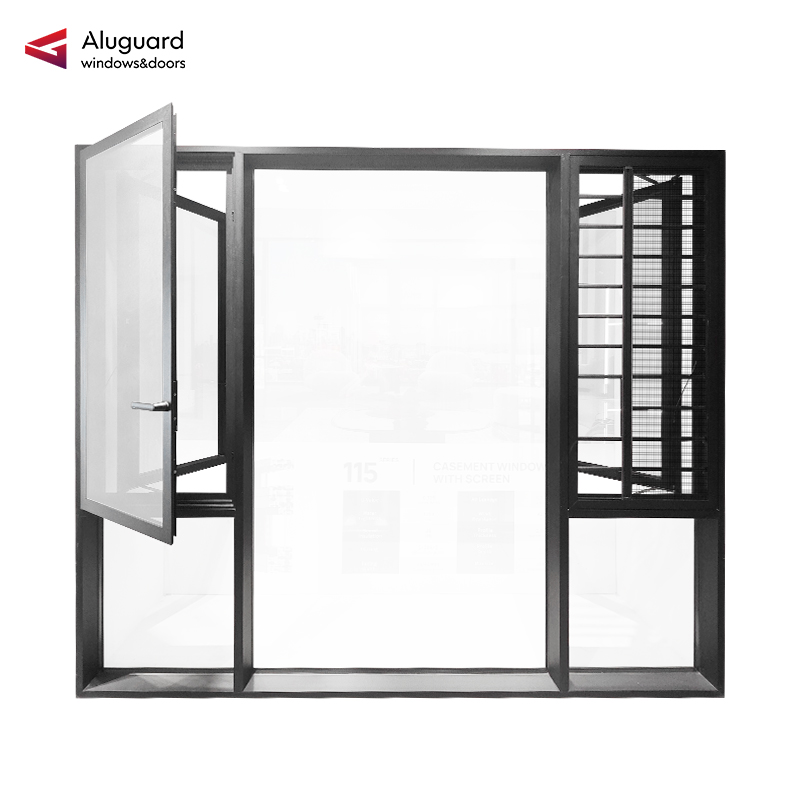
115 Aluminum Casement Window With Screen
Open the verified product page to review the current description, images and available configuration information before using this model in an RFQ.
120 Slim-Frame Aluminum Casement Window
Open the verified product page to review the current description, images and available configuration information before using this model in an RFQ.
72 Outward-Opening Aluminum Casement Window
Open the verified product page to review the current description, images and available configuration information before using this model in an RFQ.
Resolve wall and water interfaces
Coordinate sill, jamb, head and drainage with construction. In a professional custom casement-window package, this decision should be made before price comparison because it changes the product configuration, supporting accessories and the work expected from the supplier. The project team should collect wall type, membranes, flashing, sealant and exterior exposure. Put these inputs in one controlled brief, name the person responsible for each item and mark anything that remains unknown. That discipline gives engineering, purchasing, installation and operations the same basis for discussion instead of allowing each team to work from a different assumption.
Verification should produce interface details reviewed by project professionals. Review the result against the proposed production version, not a generic family description, marketing image or earlier sample. Record the model, configuration, date, reviewer and any deviation so a later order can be traced back to the approval decision. The main failure to avoid is assigning building-envelope performance to the window alone. If the available evidence does not answer the project question, keep the item open, request clarification or run a representative test; do not convert an uncertainty into a product claim.
- Input: wall type, membranes, flashing, sealant and exterior exposure
- Evidence: interface details reviewed by project professionals
- Release gate: update the approved window schedule and shop-drawing set before purchase or deployment.
Control color and finish approval
Define acceptable appearance across batches and components. In a professional custom casement-window package, this decision should be made before price comparison because it changes the product configuration, supporting accessories and the work expected from the supplier. The project team should collect finish system, color reference, gloss, texture and sample size. Put these inputs in one controlled brief, name the person responsible for each item and mark anything that remains unknown. That discipline gives engineering, purchasing, installation and operations the same basis for discussion instead of allowing each team to work from a different assumption.
Verification should produce signed physical sample and batch comparison. Review the result against the proposed production version, not a generic family description, marketing image or earlier sample. Record the model, configuration, date, reviewer and any deviation so a later order can be traced back to the approval decision. The main failure to avoid is approving color from a monitor image. If the available evidence does not answer the project question, keep the item open, request clarification or run a representative test; do not convert an uncertainty into a product claim.
- Input: finish system, color reference, gloss, texture and sample size
- Evidence: signed physical sample and batch comparison
- Release gate: update the approved window schedule and shop-drawing set before purchase or deployment.
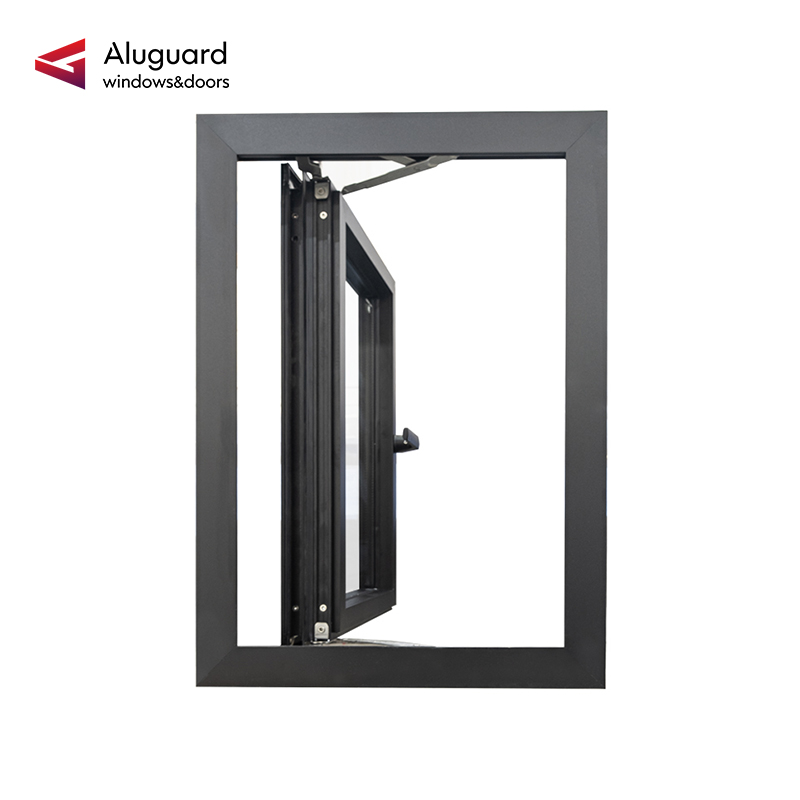
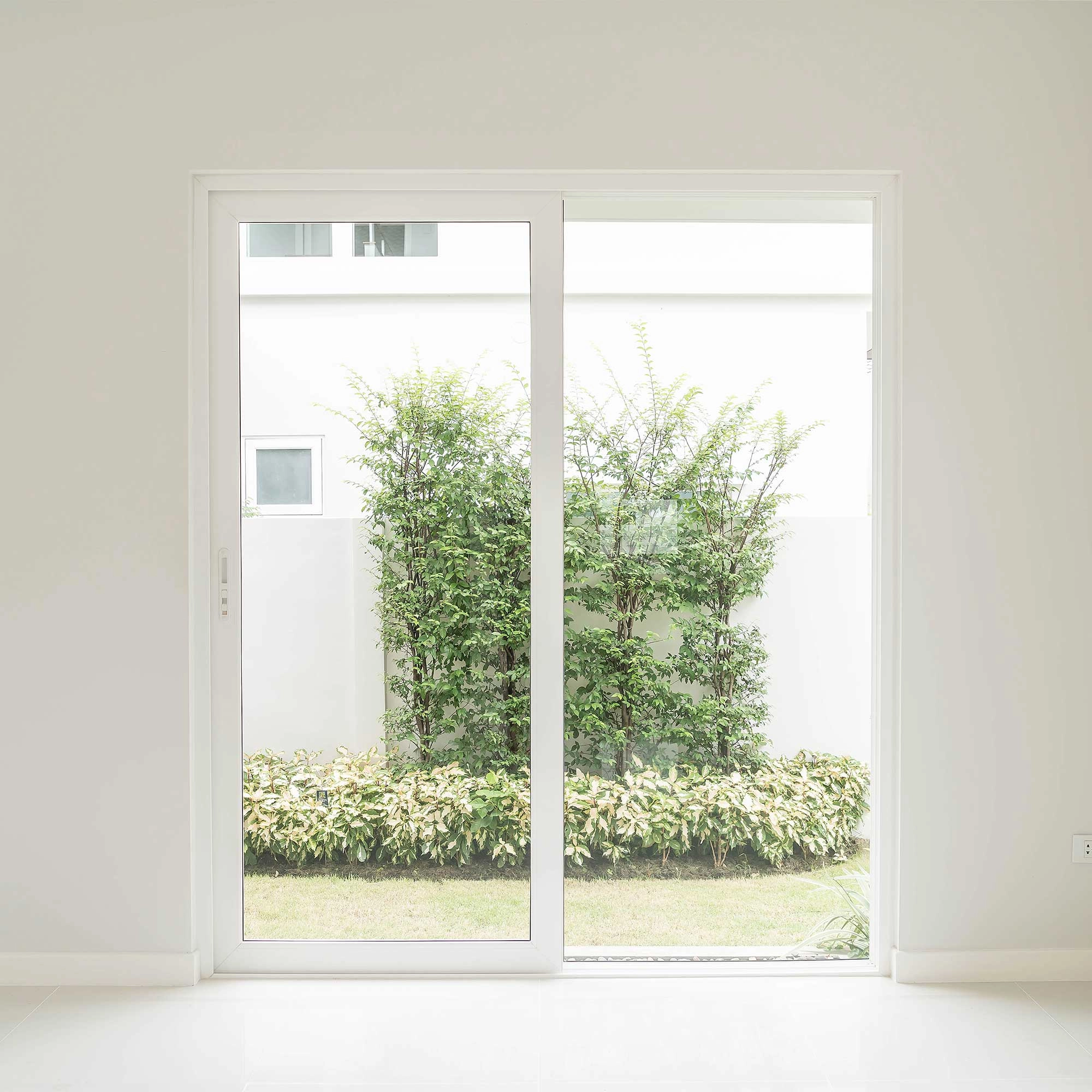
72 outward-opening aluminum casement window system
Request configuration-specific evidence
Tie tests and certifications to the proposed system. In a professional custom casement-window package, this decision should be made before price comparison because it changes the product configuration, supporting accessories and the work expected from the supplier. The project team should collect system, size, glass, hardware, test standard and report scope. Put these inputs in one controlled brief, name the person responsible for each item and mark anything that remains unknown. That discipline gives engineering, purchasing, installation and operations the same basis for discussion instead of allowing each team to work from a different assumption.
Verification should produce traceable report and applicability review. Review the result against the proposed production version, not a generic family description, marketing image or earlier sample. Record the model, configuration, date, reviewer and any deviation so a later order can be traced back to the approval decision. The main failure to avoid is presenting a company certificate as product performance. If the available evidence does not answer the project question, keep the item open, request clarification or run a representative test; do not convert an uncertainty into a product claim.
- Input: system, size, glass, hardware, test standard and report scope
- Evidence: traceable report and applicability review
- Release gate: update the approved window schedule and shop-drawing set before purchase or deployment.
Lock drawings, samples and changes
Create a formal handover from design to production. In a professional custom casement-window package, this decision should be made before price comparison because it changes the product configuration, supporting accessories and the work expected from the supplier. The project team should collect approved shop drawings, samples, bill of materials and revision owner. Put these inputs in one controlled brief, name the person responsible for each item and mark anything that remains unknown. That discipline gives engineering, purchasing, installation and operations the same basis for discussion instead of allowing each team to work from a different assumption.
Verification should produce release record and written change approval. Review the result against the proposed production version, not a generic family description, marketing image or earlier sample. Record the model, configuration, date, reviewer and any deviation so a later order can be traced back to the approval decision. The main failure to avoid is allowing verbal changes after production release. If the available evidence does not answer the project question, keep the item open, request clarification or run a representative test; do not convert an uncertainty into a product claim.
- Input: approved shop drawings, samples, bill of materials and revision owner
- Evidence: release record and written change approval
- Release gate: update the approved window schedule and shop-drawing set before purchase or deployment.
Final RFQ and Handover Checklist
| Control | Required record |
|---|---|
| Application | Site, use case, quantities and operating conditions |
| Configuration | Exact model, options, accessories and exclusions |
| Evidence | Drawings, datasheets, sample results and deviations |
| Release | Approved version, change owner and receiving criteria |
Discuss Your Project with Aluguard
Share the application, quantities, drawings or site information available for your project. The next step is to compare those requirements with a current product configuration and agree on the evidence needed for sample approval and production release.
Custom Aluminum Casement Window FAQs
How do the 115, 120, and 72 casement-window systems differ?
The 115 system is presented as a custom minimalist casement window with a screen, the 120 as a slim-frame large-glass casement window, and the 72 as an outward-opening minimalist casement window. Final differences in profiles, sizes, glass, hardware, and performance must be confirmed in the current system drawings and quotation.
What information is required for a casement-window quotation?
Provide the opening schedule, rough-opening or finished sizes, quantities, opening direction, elevations, glass build-up, hardware, insect-screen requirements, finish, project location and exposure, performance targets, applicable standards, packaging, and delivery sequence.
Does a system certificate automatically cover every custom configuration?
No. Test reports and certificates apply to defined specimens and conditions. Confirm that the system, window size, opening type, glass build-up, hardware, installation method, and required standard fall within the documented scope.
When should shop drawings be approved?
Approve coordinated shop drawings before production. They should show dimensions, handing, mullions and transoms, glass, hardware, screens, interfaces, drainage, anchors, tolerances, and finish. Keep a controlled revision record so production follows the approved issue.
Can an insect screen always be added after the window is manufactured?
Do not assume so. Screen type affects profiles, clearances, appearance, operation, cleaning, and hardware. Specify it during system selection and verify the integrated detail in the approved sample and shop drawings.
How should an aluminum finish be approved for a project?
Approve a physical sample that identifies color, gloss, texture, coating type, and substrate preparation. Define acceptable variation, protective film, batch traceability, touch-up rules, and replacement expectations before mass production.
Recommended Reading





GET IN TOUCH
Have a Project in Mind?
Let's Discuss It.
Interested in learning more about our aluminum window and door systems? Whether you're planning a residential development, commercial project, or looking for a reliable manufacturing partner, our team is ready to help.
If you have any questions, please contact us at: info@al-guard.com
Contact
Email:
WhatsApp/Phone:
Address:
Guangdong Province,China
© 2026 Aluguard. All Rights Reserved.

Aluguard
Aluguard
Aluguard
Aluguard